Geopolitical tensions in the Middle East saw a subtle but notable shift this week following the release of an American citizen who had been detained in Iran since 2024. While the circumstances surrounding the release remain limited, the development has sparked immediate speculation regarding a potential thawing in the strained diplomatic posture between Washington and Tehran.
For market participants, the significance of this news lies in its potential to influence risk sentiment and supply-side assumptions. Any cooling of hostility in the region directly impacts the geopolitical risk premium currently embedded in global oil prices. Traders should monitor whether this event serves as an isolated incident or the precursor to a more meaningful diplomatic dialogue that could alter the flow of energy and geopolitical stability in the Persian Gulf.
Key Market Drivers
The primary driver currently under scrutiny is the shift in diplomatic rhetoric, specifically regarding the potential for renewed engagement. Following recent commentary, market observers are weighing whether a less combative stance from the U.S. toward Iran could lead to a temporary de-escalation of regional friction. Historically, any softening in Iran-U.S. relations exerts downward pressure on oil prices, as the market begins to factor in the theoretical possibility of future supply normalization or a reduction in the threat to regional shipping lanes.
Furthermore, the interplay between diplomatic signals and the U.S. dollar remains a critical focal point. If geopolitical risk continues to subside, the safe-haven status of the dollar may face headwinds, providing a counter-narrative to recent strength. The market is currently in a “wait-and-see” mode, attempting to determine if this release represents a genuine pivot in strategy or merely a tactical gesture that will not change the structural fundamentals of energy production and export sanctions.
Trader Takeaways
- Assess the sustainability of the de-escalation; avoid assuming that a single diplomatic event equates to a long-term resolution of regional sanctions.
- Monitor oil price volatility, as any sustained cooling of Middle Eastern tensions often leads to a narrowing of the risk premium.
- Evaluate the impact on the U.S. dollar, noting that a decrease in geopolitical hedging requirements could lead to a stronger appetite for risk-on assets.
- Exercise caution with momentum trades in energy markets, as diplomatic headlines can trigger rapid, news-driven reversals that ignore technical indicators.
- Maintain tight risk management protocols, as the lack of clarity regarding the terms of the release makes the current environment susceptible to sudden shifts in sentiment.
Levels and Signals to Watch
Traders should look for confirmation in the form of follow-up diplomatic developments. If the release is followed by further constructive dialogue, expect increased selling pressure on oil as participants price out the prospect of near-term conflict-driven supply disruptions. Conversely, a reversion to aggressive rhetoric or secondary sanctions enforcement would likely invalidate the recent dip and favor a return to the prevailing risk-on sentiment for commodities.
Volatility in crude oil futures should be closely tracked in the coming sessions; a breakdown of existing support levels would serve as a key signal that the market is beginning to discount the geopolitical risk premium. Traders should prioritize liquidity and avoid over-leveraging during this period of interpretive uncertainty, as news headlines regarding Iran remain notoriously unpredictable.
Cross-Asset Context
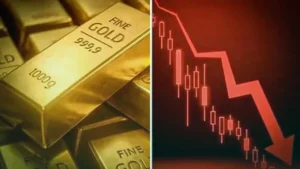
The ripple effects of this development are not contained solely within the energy patch. If the market continues to perceive this release as a positive signal for regional stability, it could support equity markets by reducing the perceived cost of energy and global volatility. However, the U.S. dollar remains the critical cross-asset anchor. Should the market conclude that this event signifies a broader cooling of tensions, the resulting shift in capital flows could weigh on the DXY. Investors must also consider the potential impact on gold, which often trades in inverse correlation to perceived geopolitical stability; a sustained thaw in Iran-U.S. relations would likely see gold lose some of its recent safe-haven appeal.
Risk Context
It is imperative that market participants avoid overconfidence regarding the longevity of this diplomatic signal. Geopolitical dynamics are fluid, and what appears to be a movement toward de-escalation can be rapidly undermined by conflicting policy announcements or regional flare-ups. The current market intelligence suggests that the situation is delicate and highly sensitive to further news flow. Traders should remain skeptical of any trend that relies solely on a single event, as the structural reality of the relationship between these two nations remains deeply complex and fundamentally adversarial. Until further concrete evidence of policy shift appears, volatility should be expected to remain elevated.
Editorial note: This article is market intelligence for educational purposes and is not investment advice.
Next Move Markets desk view
For active traders, this brief should be read through the lens of energy markets rather than as a standalone headline. The key question is whether the theme behind Iran Goodwill Gesture Acknowledged by Trump as Geopolitical Tensions Ease can influence positioning beyond the first reaction. That means watching supply headlines, inventory data, OPEC policy, transport routes and geopolitical risk together, not in isolation.
A richer trading read comes from separating the catalyst from confirmation. The catalyst explains why markets are paying attention; confirmation comes from price action, liquidity and cross-asset behavior after the headline is digested. If those signals do not align, traders should treat the move as fragile and keep risk tighter.
What traders should watch next
- Whether the headline changes physical supply expectations or only short-term sentiment.
- How Brent and WTI react around recent technical ranges after the first volatility spike.
- Inventory data, OPEC communication and shipping-route risk that can confirm the theme.
- Currency moves and global growth expectations that may offset energy-specific catalysts.
Risk context
This article is a market-intelligence brief, not a trade recommendation. Before acting on the theme, traders should define invalidation, position size and the time horizon of the setup. The same headline can support a short-term reaction and still fail as a multi-session trend if liquidity, policy expectations or broader sentiment move the other way.
Scenario map
The base case is that traders keep this theme on the radar while waiting for confirmation from supply headlines, inventory data, OPEC policy, transport routes and geopolitical risk. A stronger continuation scenario requires follow-through after the first reaction, preferably with related assets moving in the same direction. A failure scenario develops if the headline is quickly absorbed, volatility fades and price returns inside the previous range.
For energy markets, the most useful approach is to compare the article theme with live market behavior. If the market confirms the narrative, pullbacks can become more constructive. If the market rejects it, the headline becomes background noise rather than a trading driver.
Execution discipline
- Define the level first: traders should know where the idea is invalidated before thinking about upside or downside.
- Separate news from setup: Iran Goodwill Gesture Acknowledged by Trump as Geopolitical Tensions Ease may explain attention, but entry quality still depends on timing, liquidity and risk/reward.
- Watch confirmation: a clean move usually appears across related markets, not only in one isolated instrument.
- Control exposure: if volatility expands, smaller position sizing can be more professional than chasing the headline.
Next Move Markets treats this kind of brief as a starting point for preparation: identify the driver, map the scenarios, then wait for the market to prove which path is actually being priced.