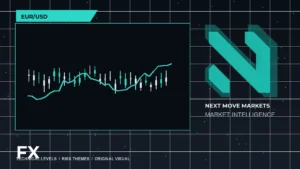
The EUR/USD pair remains locked in a high-stakes environment as markets recalibrate expectations surrounding the diverging paths of the Federal Reserve and the European Central Bank. Recent price action highlights the fragility of current trends, with volatility often tethered to macroeconomic data surprises that threaten to upend the established interest rate differential narrative.
For active traders, understanding the interplay between central bank policy cycles and the broader strength of the U.S. Dollar Index (DXY) is paramount. As we navigate the current session, market participants are keeping a close watch on liquidity conditions and technical breakpoints that could signal a sustained move in either direction, particularly as the market remains sensitive to shifts in the global yield environment.
Key Market Drivers
The primary catalyst for EUR/USD volatility continues to be the widening or narrowing of the policy gap between the Federal Reserve and the ECB. While the Fed manages a complex balancing act of curbing inflation while sustaining growth, the ECB faces its own challenges in a cooling Eurozone economy. This fundamental tension dictates the flow of capital, frequently reflected in the DXY’s performance against the euro.
Liquidity has remained a central theme, as institutional participants adjust positions in anticipation of upcoming central bank decisions. Recent price reversals often stem from a lack of conviction at critical technical junctures, leading to “bull traps” or “bear traps” as traders attempt to front-run the next big move. Furthermore, the correlation between equity performance and currency volatility has tightened, suggesting that risk appetite, rather than just raw yield differentials, is driving near-term price discovery.
Trader Takeaways
- Monitor Policy Spreads: Watch for any shift in rhetoric from central bank officials regarding terminal rate expectations, as these comments act as the primary engine for EUR/USD sentiment.
- Analyze DXY Correlates: Since the euro constitutes a significant portion of the dollar index, keep the DXY’s performance in a side-by-side window to confirm strength or weakness in the greenback.
- Respect Session Volatility: Avoid over-leveraging during pre-data windows, as unexpected employment or inflation prints can lead to rapid liquidity spikes.
- Identify Pivot Points: Focus on hourly moving averages and recent swing highs or lows; a clean break often requires volume confirmation, not just a momentary touch.
- Maintain Risk Discipline: With market bias prone to rapid shifting, ensure that stop-loss orders are adjusted to reflect current volatility levels rather than static positions.
Levels and Signals to Watch
Technical analysis remains the best tool for navigation in the absence of major headline events. Traders should observe how the pair interacts with moving averages—specifically looking for signs of exhaustion when the price tests resistance or support. A move failing to hold above key swing areas often signals that the prevailing trend lacks the momentum to sustain a breakout, likely leading to mean reversion.
For risk management, focus on validation signals. A breakout that occurs without a corresponding increase in trading volume is often a high-probability candidate for a reversal. Conversely, confirmed closes beyond established structural levels provide a more reliable bias for trend-following strategies. Always look for confluence; a technical level that aligns with a psychological price point or an historical support zone carries significantly more weight.
Cross-Asset Context
The EUR/USD does not operate in a vacuum. Traders should monitor the broader bond market, as yields on U.S. Treasuries and German Bunds directly influence the interest rate differential. A surge in yields typically bolsters the DXY, putting downward pressure on the EUR/USD. Additionally, commodities like oil and gold provide insight into inflation expectations and risk sentiment; a flight to safety typically favors the U.S. Dollar over the euro, while periods of relative calm and growth optimism may benefit the latter.