
Markets
Iran and the US turned the script around. This time, the US denied Iranian reports of a draft MoU which would restore Hormuz traffic flow within a month after coming into effect. US President Trump called it “a complete fabrication”. Together with new “defensive” attacks by the US against an Iranian military site and new sanctions against Iran’s Persian Gulf Strait Authority (in order to avoid monetization of traffic), it dashed this week’s hopes of an end to the stalemate while also threatening the fragile ceasefire. Brent crude returns to $98/b this morning after hitting $94 yesterday for only the first time since the timeframe of the original two week ceasefire (April 7 – 21).
Fed vice chair Jefferson struck a rather balanced tone in a speech at a BoJ conference. He believes that the current policy stance leaves the Fed well positioned to respond to economic developments based on the incoming data, the evolving outlook and the balance of risks. He believes that inflation will cool later this year as the effects of tariffs and energy wear off, but risks remain tilted to the upside. When it comes to the other part of the Fed’s dual mandate, he continues to see signs of labour market weakness. Jefferson didn’t elaborate on the possibility of dropping the easing bias from the FOMC statement as he doesn’t prejudge the next meeting (June 17). His colleagues from the Minneapolis (Kashkari; voter) and Chicago (Goolsbee; non-voter) Fed sounded more hawkish. Kashkari thinks of the labour market as being in decent shape right now, making inflation his top priority. He warns for the risk that inflation expectations move higher as the inflation shock persists. If that happens, the Fed would have to respond aggressively. In earlier comments, Kashkari already suggested that the next Fed move could as well be a rate hike. Goolsbee isn’t convinced that the current bout of inflation from the energy shock is transitory. Structurally, he believes that the (AI) productivity boom works inflationary and requires higher interest rates. “An increase in expected future income is just like a wealth increase today: It can lead to increased spending and potentially overheat the economy before the productivity boom has actually arrived. The bigger the hype about future productivity, the more rates may need to rise to prevent overheating”. The combination of Fed comments and rise in oil prices triggers bear steepening of the US yield curve this morning. Yields add up to 4 bps at the front end of the curve. EUR/USD returned to the recent lows in the high 1.15-area. Today’s lofty US eco calendar (April PCE deflators, income & spending data, claims, durable goods orders) and more Fed comments (Williams, Musalem, Barkin) have the potential to add to the current repositioning momentum. In Europe, attention centres around April ECB Minutes (extensive discussion on possibility of rate hike) and comments by ECB President Lagarde though it’s unclear whether or not she’ll touch on monetary policy. We err on the side of hawkish repositioning in Europe as well.
News & Views
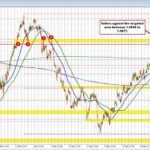
The Bank of Korea left its policy rate unchanged at 2.5%. However, the vote was not unanimous with two out of the seven MPC members already voting for a 25 bps rate hike. The decision comes in a context where the central bank upwardly revised both its growth and inflation forecasts. The domestic economy has grown significantly, as strong exports and increased investment, led by semiconductors and favorable consumption trends have continued. Despite the consequences of the conflict in the Middle East, the growth forecast for this year was raised significantly to 2.6% (2% in February). Consumer price inflation had risen significantly to 2.6% in April. This year’s forecasts for headline and core inflation are also upwardly revised to 2.7% and 2.4% respectively (from 2.2% and 2.1%). House prices in Seoul and its surrounding areas accelerated again and expectations of further increases have also heightened. The BoK concludes that it will decide the timing of any rate hikes while assessing the extent of the increase in inflationary pressure, the improvement trend in the domestic economy, and financial stability. At the news conference, new governor Shin Hyun Song was also quite explicit on the direction of monetary policy going forward. The won continues to trade relatively weak near USD/KRW 1507.
Hungarian economic sentiment as measured by GKI economic Research improved substantially in May from -10.7 to -6.7, the best level since April 2022. Business confidence was little changed (-8.8 from -8.5), but consumer confidence improved an impressive 16 points from -17 to -0.9 (best since September 2019). The Improvement comes as risk premia improved sharply in the wake of the April parliamentary elections and the subsequent change in the government. At EUR/HUF 355, the forint is holding near the strongest levels since early 2022.