

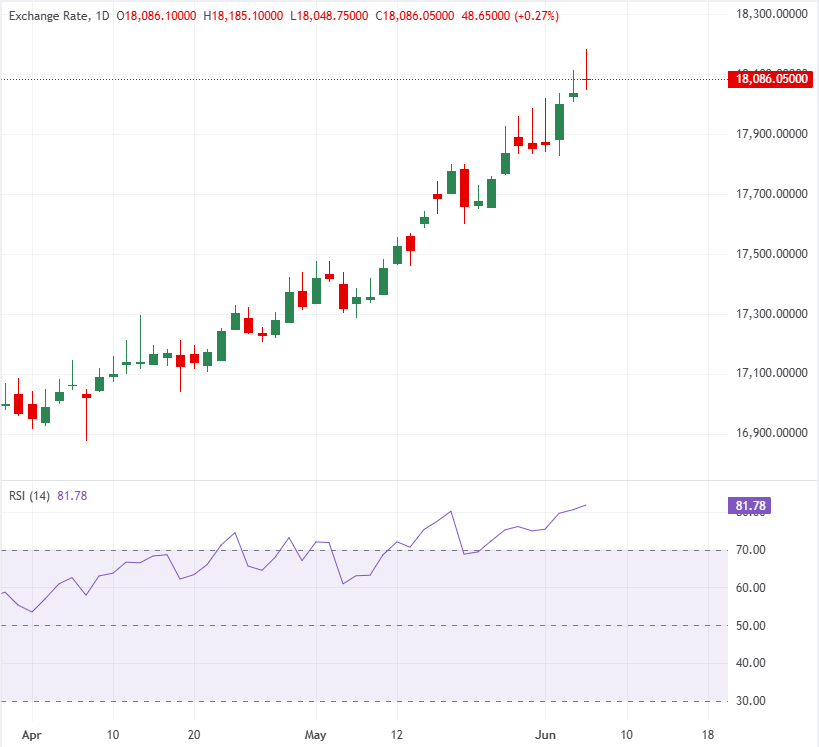
The Indonesian Rupiah (IDR) has dropped to a historic low, crossing the psychological threshold of 18,000 per US Dollar alongside a sharp multi-year contraction in domestic equity markets. This severe currency depreciation stems from a combination of geopolitical risks, acute global dollar liquidity shortages, and rising energy costs that hit the net oil-importing Asian economy.
Compounding these external shocks are significant domestic concerns regarding Bank Indonesia’s (BI) policy independence under newly passed growth-mandate legislation, prompting major global banks to signal continued downside pressure for the Rupiah in the near term.
Institutional independence fears and energy shocks drag down the Rupiah
According to strategy analysts at Brown Brothers Harriman (BBH), the legislative broadening of Bank Indonesia’s mandate to actively target economic growth has rattled investors, stoking fears that inflation and exchange rate defense might take a back seat. This structural shift, combined with a severe energy blockade in the Middle East that disrupts Oil imports, leaves the fundamentally cheap currency heavily exposed to immediate downside risks.
IDR undervaluation looks excessive relative to domestic fundamentals. But until the energy shock fades, IDR will remain under downside pressure.
Persistent capital outflows intensify risks
Analysts at MUFG point out that the Rupiah’s decline is being accelerated by substantial foreign capital flight from domestic equities and rising global bond yields. Funding stress in the local market has reached extreme levels, which could push the local currency lower against the US Dollar before overextended short positions eventually trigger a turnaround.
Liquidity conditions in USD/IDR remain extremely tight, akin to the stress seen during the March 2020 COVID shock. This points to continued upside risks for USD/IDR.
A heavily suppressed near-term outlook, but with potential for sharp reversals
Both financial institutions point to a weak, highly pressured path for the Indonesian Rupiah, warning that the currency remains structurally vulnerable in the near term. Brown Brothers Harriman emphasizes that while the Rupiah is technically undervalued relative to domestic fundamentals, it cannot escape persistent downside pressure until global energy shocks recede. MUFG projects clear upside risks for the USD/IDR currency pair driven by acute market funding stress, though it notes that because investor positioning has become so heavily crowded, any geopolitical de-escalation or policy clarity could quickly spark an aggressive reversal.
(This article was created with the help of an Artificial Intelligence tool and reviewed by an editor.)