
Market Alert: Strait of Hormuz Transits Plummet Amid Renewed Regional Tensions
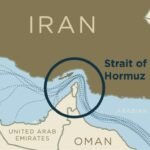
Shipping activity through the Strait of Hormuz has experienced a significant collapse, with transit numbers falling from 26 vessels on Saturday to just five on Sunday. This sharp decline follows a renewed declaration from Iran’s Islamic Revolutionary Guard Corps (IRGC) that the waterway is closed, citing recent Israeli military actions in Lebanon as the primary cause for the blockade.
According to shipping data from Kpler, the five vessels that did transit on Sunday included three Very Large Crude Carriers (VLCCs). Each of these vessels carried approximately two million barrels of Saudi crude and fuel oil, with at least one shipment destined for Japan. While the U.S. military maintains that commercial traffic continues to flow through the strait, the dramatic drop in volume suggests a rapidly deteriorating risk profile for global energy supplies.
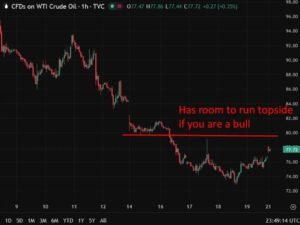
This disruption comes at a critical diplomatic juncture. The renewed closure directly contradicts a recent Memorandum of Understanding (MOU) between the United States and Iran, which had established a 60-day ceasefire extension. Consequently, a scheduled high-level meeting in Switzerland has been postponed as officials struggle to reconcile the IRGC’s actions with previous diplomatic agreements. The uncertainty surrounding this MOU has injected fresh volatility into crude oil markets and freight rates.
Energy producers in the region are already moving to mitigate potential long-term disruptions. Both ADNOC and Kuwait Petroleum Corporation have begun issuing tenders that allow for crude loading from locations outside the Strait of Hormuz. Analysts view these operational shifts as a clear signal that major producers are hedging against a prolonged blockade, prioritizing supply chain security over official rhetoric from either side of the conflict.
For investors and energy traders, the focus remains on whether the closure will hold and how the U.S. will respond to the IRGC’s defiance of the ceasefire terms. Until clarity emerges regarding the status of the waterway and the postponed diplomatic talks in Switzerland, the market should prepare for elevated fluctuations in both oil prices and global shipping costs.