

Incident at Qatar’s Barzan Gas Facility: Operational Impacts and Human Cost
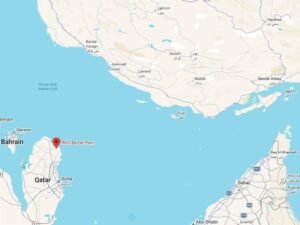
A significant explosion and fire struck the Barzan gas facility within Qatar’s Ras Laffan Industrial City on Sunday evening. The incident occurred during critical start-up operations, leaving 54 people injured and 18 others missing. While emergency response teams successfully brought the fire under control, search and rescue operations remain active as authorities work to locate those still unaccounted for.
The Scope of the Incident
According to Qatar’s Interior Ministry, the blast has been categorized as a technical accident. Although the explosion was powerful enough to be heard in the capital city of Doha—located south of the complex—officials have confirmed there is no immediate threat to public safety from gas leaks. However, the human toll is significant, with the Qatari International Search and Rescue Group and civil defense teams currently prioritizing the search for the 18 missing individuals.
Market Implications and Global Supply
From an energy market perspective, the Barzan facility’s primary role is to supply Qatar’s domestic gas market rather than its Liquefied Natural Gas (LNG) export terminals. This distinction provides some cushion for global energy markets, as it limits the immediate risk of disruption to international LNG supplies.
Nevertheless, the incident’s location within Ras Laffan Industrial City—the operational heart of one of the world’s largest LNG export hubs—has kept global traders on high alert. QatarEnergy has not yet released a formal assessment regarding structural damage to the plant. This lack of detail, combined with the scale of the explosion, maintains a level of uncertainty regarding whether the incident could have secondary implications for the broader complex.
A Complex Recovery Timeline
The context of this explosion adds a layer of complexity to the recovery efforts. The Sunday incident took place during restart operations following a previous shutdown. On March 2, QatarEnergy had halted LNG production at Ras Laffan following reports from the Ministry of Defense regarding a drone attack launched from Iran.
As the situation remains fluid, the industry is closely monitoring two key factors: the safety of the workforce and the potential for domestic gas shortages to spill over into export operations. Until a full damage assessment is provided by QatarEnergy, the energy sector will likely remain cautious, watching for any signs that the technical accident at Barzan might impact the stability of the wider Ras Laffan infrastructure.