
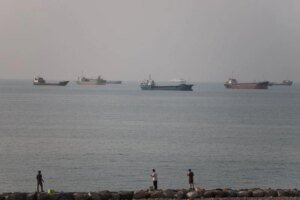
As maritime tensions continue to reshape global trade routes, Qatar has signaled a commitment to maintaining its energy export schedules. Despite a broader slowdown in regional shipping traffic, recent tracking data confirms that Qatari liquefied natural gas (LNG) tankers are continuing to transit the Strait of Hormuz. This move underscores Qatar’s role as a stabilized supplier in an increasingly volatile energy market, even as other commercial vessels opt for longer, more costly diversions.
On the diplomatic front, the geopolitical landscape remains complex. Sources confirm that the United States and Iran are continuing to navigate the framework of their existing Memorandum of Understanding (MOU). While the MOU remains a critical pillar for regional de-escalation and specific bilateral agreements, formal progress has faced a temporary hurdle. A high-level meeting originally scheduled to take place in Switzerland has been officially postponed. While no specific new date has been set, the delay is being viewed by analysts as a strategic pause rather than a breakdown in communication.
The financial markets are reacting to these geopolitical shifts with calculated caution. Recent currency performance data indicates a trend of “wait-and-see” among investors. The U.S. Dollar remains resilient, holding its ground against major peers as a safe-haven asset. Meanwhile, regional currencies are experiencing minor fluctuations in response to the shipping updates, and energy-linked currencies are seeing a slight uptick in volatility as traders price in the continued flow of LNG through the Gulf.
For global energy observers, Qatar’s decision to maintain its shipping lanes through the Strait of Hormuz provides a necessary buffer against supply shocks. However, the postponement of the Switzerland talks serves as a reminder that the diplomatic path between Washington and Tehran remains delicate. Market participants will likely keep a close eye on any rescheduling of diplomatic summits and the ongoing implementation of the US-Iran MOU to gauge future regional stability.