
Untangling the Web: The Complex Path Forward for US-Iran Relations
The geopolitical landscape between the United States and Iran has reached a critical juncture. While recent diplomatic efforts have signaled a desire for re-engagement, the reality on the ground suggests that undoing decades of economic restrictions is far more complicated than simply signing a decree. Experts often describe the current state of Iran sanctions as a “tangled nest”—a dense thicket of legal, political, and economic barriers that will take significant time and effort to unravel.
At the heart of the current discussion is a new Memorandum of Understanding (MOU) between the two nations. This document represents a formal framework for potential cooperation and a roadmap for addressing long-standing grievances. However, the path to implementation has already hit its first major speed bump.
A highly anticipated high-level meeting scheduled to take place in Switzerland has been officially postponed. While both parties cite logistical challenges and the need for further internal consultations, the delay underscores the fragility of the current negotiations. The postponement suggests that despite the existence of an MOU, the underlying trust gap remains wide, and the technical specifics of sanctions relief remain a point of intense contention.
The “tangled nest” metaphor is particularly apt when looking at the overlapping nature of US sanctions. Many Iranian entities are designated under multiple authorities—ranging from nuclear non-proliferation to counter-terrorism and human rights. Removing one layer often leaves several others in place, making it difficult for international banks and businesses to resume trade without facing significant legal risks. This legal complexity ensures that even with political will, the “undoing” of these sanctions will be a gradual, iterative process rather than a swift resolution.
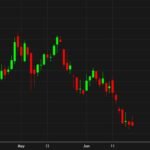
From a market perspective, the uncertainty surrounding these diplomatic maneuvers has kept regional financial indicators in a state of flux. Recent currency data reflects this volatility; the Iranian Rial continues to face significant downward pressure as traders weigh the potential for a breakthrough against the reality of the postponed Swiss talks. While there was a brief moment of optimism following the announcement of the MOU, market sentiment has shifted back to a “wait-and-see” approach, with regional indices showing cautious trading patterns and a general aversion to long-term risk in the Middle East corridor.
As the international community watches the fallout from the postponed Switzerland meeting, the focus remains on whether the MOU can survive this initial friction. For investors and policymakers alike, the lesson is clear: diplomacy with Iran is a marathon, not a sprint. The process of untangling the sanctions web has only just begun, and the road ahead is likely to be defined by as many setbacks as breakthroughs.