
Navigating the Shift: US-Iran Diplomacy and the Easing of Maritime Tensions
The geopolitical landscape in the Middle East is currently witnessing a series of complex developments as the United States and Iran continue to navigate the terms of a new Memorandum of Understanding (MOU). While diplomatic channels remain open, recent scheduling shifts and changes in maritime traffic patterns suggest a cautious but active period of negotiation and regional recalibration.
Central to these developments is the postponement of a high-level meeting originally scheduled to take place in Switzerland. This meeting was intended to serve as a critical checkpoint for officials to discuss the implementation of the MOU and broader regional security concerns. While the delay indicates that certain logistical or policy hurdles remain, analysts suggest that both parties are prioritizing a thorough vetting of the agreement over a rushed conclusion.
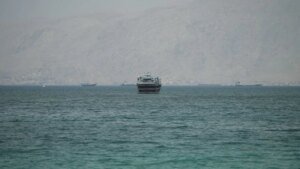
Despite the diplomatic pause in Switzerland, activity on the water indicates a notable shift in the regional security environment. Recent tracking data reveals an increase in the number of vessels successfully transiting the Strait of Hormuz. This uptick suggests a marginal improvement in the perceived safety of this vital maritime artery, which serves as a transit point for a significant portion of the world’s oil and gas supply.
Notably, liquefied natural gas (LNG) tankers linked to Qatar have begun returning to their standard routes. After a period of rerouting or delays due to heightened regional tensions, the return of these vessels to the Hormuz corridor is a significant indicator of stabilizing energy logistics. This move is seen as a vital step in maintaining global energy supply chains and reducing the risk of price volatility in international markets.
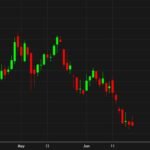
Financial market indicators reflect this cautious optimism. While previous weeks were marked by volatility, recent data shows a stabilization in regional currency values and a steadying of energy-related equities. Market participants appear to be pricing in the cooling of immediate maritime risks, even as they remain attentive to the evolving diplomatic dialogue between Washington and Tehran.
As the Switzerland meeting is rescheduled, the international community continues to monitor the Strait of Hormuz as a barometer for regional stability. For now, the resumption of standard shipping patterns and the ongoing commitment to the MOU process provide a tentative framework for de-escalation in one of the world’s most critical economic zones.