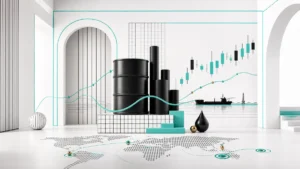
Crude oil markets are experiencing a significant shift in sentiment as the assumption of a short-lived regional conflict disintegrates. With active hostilities reaching their eleventh day and showing no immediate signs of diplomatic resolution, traders are rapidly shedding the “transitory conflict” thesis that had previously kept a lid on energy prices.
For market participants, the stakes have escalated from localized volatility to potential structural damage. Reports of dwindling throughput through the Strait of Hormuz—with crude shipments falling from 12.5 million barrels per day to 5.1 million—underscore the gravity of the situation. As risk premiums expand, investors are recalibrating portfolios to account for a new environment where regional infrastructure security can no longer be taken for granted.
Key Market Drivers
The primary catalyst for the current rally is the mounting evidence that the conflict between the U.S. and Iran, combined with Houthi activities, is creating a sustained supply-risk premium. Unlike previous bouts of volatility that were easily priced out, the current situation threatens to fundamentally alter physical supply chains. The physical reality of the Strait of Hormuz and the Bab el-Mandeb transit routes becoming flashpoints has led to a sharp increase in open interest in energy markets, as evidenced by a $72 billion rise in energy derivatives last week.
Furthermore, the market is no longer just looking at crude availability; there is a growing realization that refined product markets remain inherently tight. When infrastructure disruptions occur, the ability to source incremental barrels is constrained by logistics and shifting trade routes. As refineries in Europe attempt to reorient toward the Atlantic Basin, regional dislocations are widening, forcing traders to anticipate increased price variance in diesel and gasoline.
Liquidity is being tested by this geopolitical uncertainty, while simultaneous weather-related disruptions, such as the movement of Tropical Storm Bertha through the Gulf of Mexico, have added an immediate, if transient, layer of stress to the North American supply picture. While rising U.S. crude and distillate inventories provide a modest buffer, the broader trend is clearly dominated by the loss of confidence in stable transit flows.
Trader Takeaways
- Monitor the Strait of Hormuz: Any further material reduction in tanker transit represents a direct threat to global energy security that the market has not yet fully discounted.
- Price in the Risk Premium: Expect elevated volatility to persist as long as formal diplomatic avenues remain closed; do not rely on previous price floors.
- Track Refined Product Margins: Tightness in distillates acts as a multiplier for crude price spikes. Pay close attention to European refinery margins as a proxy for physical market stress.
- Consider Winter Supply Risks: The effective halt of LNG transit through key chokepoints has changed the narrative for upcoming seasonal requirements; watch for further price discovery in gas benchmarks.
- Watch for Logistic Shifts: Increased tanker U-turns and redirected shipping routes are leading indicators of impending inventory tightness and rising freight costs.
Levels and Signals to Watch
The immediate focus remains on the $86 per barrel Brent target for the third quarter. Traders should look for confirmation of sustained bullish momentum in the form of continued open interest inflows. Invalidations of this trend would likely require a high-level, comprehensive diplomatic agreement—specifically regarding the nuclear file and transit protocols in the Persian Gulf. Absent these signals, volatility remains biased toward the upside. Risk management should prioritize wide stops, as headline-driven swings are likely to increase in both frequency and amplitude.
Cross-Asset Context
The energy complex is currently driving a broader ripple effect across the capital markets. Natural gas has seen a significant surge in open interest, tracking the volatility in crude and refined products. As transit risks impact global trade flows, the cost of maritime insurance is expected to rise, potentially weighing on broader equity sentiment, particularly for energy-dependent industries. While investors often seek shelter in safe-haven assets during geopolitical friction, the direct link between oil prices and inflation expectations means that volatility in the energy sector is increasingly dictating the tone for interest rate sentiment.