

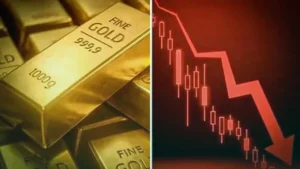
Gold prices remain under subtle pressure as shifting geopolitical risk premiums dominate the broader commodities complex. While bullion often thrives on uncertainty, the cooling of tensions in the Middle East has triggered a broader reassessment of safe-haven demand, impacting both precious metals and energy markets. For active traders, the current environment necessitates a close watch on how gold navigates this reduction in geopolitical volatility.
The core tension for XAU/USD participants lies in the inverse relationship between risk-on sentiment and precious metal flows. As the prospect of stabilized supply chains gains traction, the urgency to hedge via gold may diminish, potentially exposing the metal to fluctuations in the U.S. dollar and real yield dynamics. Investors are now tasked with discerning whether the recent price action represents a technical correction or a fundamental shift in the metal’s underlying support base.
Key Market Drivers
The primary catalyst currently influencing asset pricing is the easing of supply-side anxiety, particularly within the energy sector. Developments suggesting a potential de-escalation of tensions near the Strait of Hormuz have dampened the urgency that previously supported safe-haven assets. When oil prices face downward pressure due to perceived stability in shipping corridors, the secondary effect is often a broader move away from defensive positions in bullion.
Furthermore, the liquidity context remains tethered to the interplay between the U.S. Dollar Index (DXY) and interest rate expectations. With inflationary pressures remaining a focal point, the market is constantly balancing the necessity of gold as a hedge against future volatility versus the opportunity cost of holding non-yielding assets in a high-rate environment. As market participants recalibrate their risk exposure, the relationship between real yields and gold will remain the primary gauge for medium-term trend stability.
Trader Takeaways
- Monitor the volatility premium in gold, as a continued easing of Middle Eastern concerns may lead to a further contraction in safe-haven inflows.
- Observe the correlation between energy market stability and precious metal price action to gauge the broader market’s risk appetite.
- Adjust position sizing to account for potentially lower liquidity during periods where geopolitical headlines shift from escalation to stabilization.
- Prioritize technical support levels over speculative momentum as the market enters a consolidation phase following recent headline-driven volatility.
- Evaluate the DXY’s reaction to ongoing macro data, as a stronger dollar may provide a lingering headwind for gold recovery attempts.
Levels and Signals to Watch
Technical traders should prioritize the identification of current support bases that have been tested during this period of price contraction. A failure to hold these levels could invite further profit-taking, while a sustained bounce would indicate that the market still views the metal as an essential portfolio component despite the reduction in immediate risk. Momentum indicators will be critical in the coming sessions; a divergence between price action and relative strength metrics may provide early signals of a potential exhaustion in selling pressure.
Risk management remains paramount, particularly as the market navigates the uncertainty of a news-driven environment. Traders are encouraged to utilize tight stop-loss orders around key pivot points to protect capital should volatility spike unexpectedly. Watching for a consolidation pattern, such as a breakout from a narrow range, will be essential for confirmation before re-entering momentum trades.
Cross-Asset Context
The ripple effects of easing supply concerns are clearly visible across the dashboard. Oil’s decline for the third consecutive day highlights a shift in market sentiment, suggesting that investors are becoming more comfortable with global supply chains. This shift in the energy complex often acts as a leading indicator for precious metals, as gold and oil frequently share sentiment-driven price paths. Should the weakness in energy markets persist, gold may continue to struggle for a definitive upward trend, especially if equity markets respond positively to the lower inflationary expectations associated with falling crude prices.








