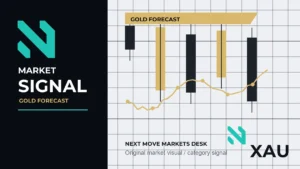
Market participants are recalibrating their long-term commodity projections following updated institutional guidance suggesting a significant upside trajectory for gold through 2026. This shift in sentiment is driven by persistent central bank demand and an evolving outlook on U.S. monetary policy, which is expected to remain relatively accommodative.
For traders in the energy and broader commodities space, these developments provide essential context regarding capital flow preferences. As investors search for hedges against systemic shifts and interest rate volatility, the interplay between precious metals and energy assets remains a critical focal point for managing portfolio risk and identifying directional momentum in the months ahead.
Key Market Drivers
The core catalyst for the revised valuation in the gold market stems from a structural change in global reserve management. Central banks are increasingly prioritizing diversification away from traditional currency holdings, an activity that provides a foundational floor for metal prices. When combined with the expectation that the Federal Reserve will maintain a cautious stance—forecasting only one or two rate hikes over the coming year—the opportunity cost of holding non-yielding assets is perceived to be significantly reduced.
Liquidity context remains paramount. While equity markets and crypto-assets often absorb the initial shock of macro news, the commodities sector is currently seeing a “flight to durability.” Traders are monitoring whether this institutional bullishness toward gold will spill over into other hard assets, including energy, as geopolitical risk premia remain elevated and supply chain fragilities persist in global oil markets.
Trader Takeaways
- Monitor Central Bank Activity: Increased gold purchases by global central banks suggest a long-term trend of reserve diversification that could influence broader commodity pricing and currency strength.
- Rate Sensitivity: Keep a close watch on Fed commentary. Any deviation from the “one-to-two hike” expectation could lead to rapid repricing in both precious metals and energy derivatives.
- Sector Correlation: Be aware of the tightening correlation between gold and oil during periods of heightened geopolitical instability; they are increasingly acting as twin hedges for institutional portfolios.
- Macro Hedge Positioning: As institutional targets for 2026 are elevated, look for potential dips in commodity prices as opportunities for long-term entry, rather than signs of structural weakness.
- Volatility Management: Expect intermittent volatility as the market balances the expectation of minimal rate hikes against lingering inflation concerns.
Levels and Signals to Watch
Traders should prioritize watching the psychological and technical barriers surrounding recent price levels. Current market observations show gold testing week-lows, a critical area for sentiment confirmation. A failure to hold these levels could invite short-term liquidation, whereas a sustained rebound would validate the aggressive 2026 upside targets. For energy markets, traders must look for confirmation of supply stability; any disruption in output or inventory draws will likely act as a catalyst for a breakout, given the current lack of bearish conviction in commodity sectors.
Cross-Asset Context
The relationship between gold, the U.S. Dollar (DXY), and interest rates remains the primary narrative for commodities. A stagnant rate environment typically weakens the DXY, providing a tailwind for dollar-denominated assets like oil and gold. Investors are also noting that while crypto-assets have shown sensitivity to rate policy, the institutional preference for gold as a store of value is currently diverging from the more speculative nature of digital assets. Meanwhile, equity traders should watch for sector rotation; if capital continues to flow into commodities, it may suggest a defensive rotation out of growth-oriented equities.