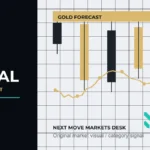
Gold (XAUUSD) is signaling a significant shift in its short-term trend structure as the metal moves deeper into a bearish cycle. Recent technical analysis indicates that the corrective phase following the July 22 peak has concluded, clearing the path for an impulsive decline. Traders focusing on momentum-based strategies are currently monitoring the transition from completed recovery patterns to active downside progression.
For market participants, this shift is critical because it invalidates previous bullish assumptions and suggests that the prevailing trajectory is now tilted heavily toward the downside. Understanding the current wave sequence is essential for identifying potential entry points for shorts and managing expectations regarding the durability of any intermittent counter-trend bounces.
Key Market Drivers
The current technical landscape for gold is defined by the completion of a complex corrective structure, specifically an expanded flat formation that capped the recovery attempt. With this corrective sequence now in the rearview mirror, the market is exhibiting classic impulsive behavior characterized by a series of lower lows. The primary driver here is a technical rejection at the $4204.6 level, which has acted as a formidable ceiling for price action. As long as this pivotal point remains unbreached, the market is exhibiting a clear bias toward testing lower support zones as part of a larger, multi-legged bearish wave structure.
Trader Takeaways
- Prioritize the Downside Bias: With the completion of the corrective wave (2), the market has entered a phase where rallies are likely to be met with selling pressure, necessitating a tactical focus on short-side opportunities.
- Monitor Momentum Sequences: Current price action is unfolding in a five-wave structure. Traders should be aware that after the current progression finishes its immediate downward move, a corrective bounce is expected before the bearish momentum resumes.
- Respect the Pivot: The level at $4204.6 is the most significant technical hurdle. Any long exposure maintained above this level lacks technical support and carries elevated risk.
- Manage Exit Targets: Anticipate a counter-trend rally following the completion of the current sub-wave sequence; this often provides a cleaner area to adjust risk or hedge positions before the next leg lower.
- Avoid Over-Leveraging: Given the propensity for choppy, swing-based corrections within a primary downtrend, ensure stop-loss placement accounts for standard volatility within these multi-swing pullbacks.
Levels and Signals to Watch
The technical structure relies on the defense of the $4204.6 pivot level. Failure to reclaim this high indicates that the market is currently caught in an impulsive wave (3) scenario. Within this structure, traders should look for the completion of two additional lows to finalize the current sequence. If the price fails to demonstrate strength above recent minor resistance points, such as the $4141.05 level—where wave ((ii)) concluded—the downside trajectory remains intact. Conversely, any sustained breach above the $4204.6 anchor would invalidate the current bearish wave count and signal a need to reassess the immediate trend outlook.
Cross-Asset Context
Gold’s technical setup is often intrinsically linked to the broader macroeconomic environment, particularly movements in the U.S. Dollar and interest rate expectations. When gold fails to maintain support levels like the ones observed here, it often suggests a broader rotation of liquidity out of traditional safe-haven hedges. Traders monitoring XAUUSD should cross-reference this price action with the DXY (U.S. Dollar Index) and Treasury yields. Often, when gold enters an impulsive wave (3) of a decline, it coincides with strengthening yields, which place pressure on non-yielding assets, reinforcing the bearish technical signal.