

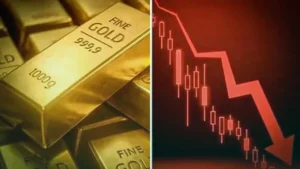
Gold prices have entered a phase of heightened sensitivity as market participants weigh competing narratives surrounding global energy supply disruptions and shifting macroeconomic policy expectations. With recent reports highlighting potential volatility in Gulf oil flows, the precious metals complex is once again testing its reputation as the primary hedge against geopolitical and supply-side instability.
For active traders, the current environment necessitates a dual focus on commodity-linked inflationary pressures and the broader behavior of the U.S. dollar. As energy markets tighten, the resulting potential for renewed price spikes across the broader energy complex threatens to complicate the central bank outlook, creating a complex landscape for XAU/USD that demands precise technical navigation and rigorous risk management.
Key Market Drivers
The primary catalyst currently influencing gold is the precarious nature of international energy logistics. When supply chains in key production regions, such as the Gulf, face interruption, the immediate market reaction is an uptick in commodity-driven inflation fears. Gold typically benefits in these scenarios as investors rotate into hard assets to preserve purchasing power against potential energy-induced price shocks.
However, this bullish impulse for gold is constantly being contested by the performance of the U.S. Dollar Index (DXY) and the trajectory of real interest rates. When the DXY gains strength due to flight-to-safety capital flows or anticipation of higher-for-longer monetary policy, it imposes a structural headwind on gold, which is priced in the greenback. Traders must therefore look beyond the surface-level energy volatility and assess whether the market views the current supply issues as a transitory dip or a persistent inflationary catalyst that will force interest rates to remain elevated.
Trader Takeaways
- Monitor correlations between energy price surges and gold volatility, as an immediate spike in crude often triggers a knee-jerk upward move in XAU/USD.
- Evaluate the DXY’s resilience; if the dollar maintains strength despite negative geopolitical news, gold’s upside momentum is likely to be capped.
- Prioritize liquidity management during periods of high geopolitical tension, as stop-loss orders are prone to slippage when market sentiment shifts rapidly.
- Analyze the real yield spread, as gold remains fundamentally sensitive to the opportunity cost of holding non-yielding assets when government bond yields fluctuate.
- Adopt a multi-asset view, checking if the equity markets are absorbing energy cost pressures or showing signs of a broader risk-off rotation that might support gold as a safe-haven destination.
Levels and Signals to Watch
Confirmation of a bullish breakout in gold requires a sustained close above recent resistance zones, accompanied by a decline or stalling of the DXY. Traders should be particularly wary of “false breakouts” that occur during low-liquidity sessions; validation is found when volume profiles support the directional move. Conversely, if gold fails to hold near-term support levels while the dollar tests multi-month highs, it suggests a weakening of the safe-haven thesis and a potential return to range-bound consolidation.
Volatility remains the most significant variable. For aggressive traders, monitoring the relationship between gold’s daily average true range (ATR) and energy-sector price swings can provide a roadmap for position sizing. If technical momentum indicators begin to diverge—for example, if price reaches a new high but momentum oscillators like the RSI show a bearish divergence—caution is warranted, as this often precedes a mean-reversion event.
Cross-Asset Context
Gold does not trade in a vacuum. The current interaction between the oil market and the precious metals space is particularly noteworthy. As potential supply disruptions in the Gulf raise concerns about input costs for global industry, energy prices may act as a leading indicator for core inflation metrics. This linkage creates a feedback loop: higher energy costs may lead to higher expectations for interest rates, which in turn elevates the DXY and places pressure on gold prices.
Furthermore, traders must account for the impact on equity indices. Significant fluctuations in energy prices often lead to sectoral rotation within the S&P 500, which can indirectly influence the demand for gold. If equity markets show signs of exhaustion while energy costs rise, gold often receives a bid from institutional investors seeking to hedge against stagflationary risks.








