The geopolitical landscape surrounding the Strait of Hormuz has undergone a rapid pivot, with the administration replacing a previously proposed 20% reimbursement fee on Gulf states with a new framework for trade and investment. This tactical shift suggests a move toward deeper capital integration with Gulf partners rather than direct fiscal levies, signaling a recalibration of how the U.S. intends to offset the costs of maintaining regional security.
For traders, the primary takeaway is the swift invalidation of the potential 20% toll, which had initially stoked inflationary concerns and supply chain anxiety. Markets are now recalibrating to the reality that the U.S. intends to maintain a firm security posture in the region while incentivizing massive industrial investment within American borders. The uncertainty, however, persists regarding the physical safety of commercial shipping in the Strait as tensions with Iran remain elevated.
Key Market Drivers
The primary driver here is the transition from a tariff-based security model to an investment-led partnership model. By securing commitments for “massive” investments from Gulf states into American infrastructure, manufacturing, and industrial equipment, the administration is attempting to leverage its military presence to drive domestic capital formation. This pivot is designed to bolster the U.S. labor market by encouraging the development of domestic factories and equipment, potentially acting as a long-term stimulative force for industrial equities.
Liquidity and risk sentiment are being tugged in two directions. On one side, the removal of the 20% fee serves as a relief for global trade costs, which typically helps equities. Conversely, the declaration of a “full blockade” on Iranian-linked shipping introduces a significant supply-side constraint. The market is currently weighing the benefit of guaranteed access for non-Iranian vessels against the volatility risk posed by an active maritime conflict zone. The ability of the U.S. military to enforce this blockade will be the decisive factor in whether energy and shipping markets view the Strait as a stable corridor or a high-risk flashpoint.
Trader Takeaways
- Monitor regional shipping insurance rates and tanker premiums; spikes here will be a leading indicator of increased risk in the Strait of Hormuz regardless of the blockade’s official status.
- Watch industrial sector performance as a proxy for how markets price the expected influx of Gulf capital into American manufacturing and infrastructure.
- Exercise caution with energy sector long positions, as oil prices are currently sensitive to the tug-of-war between supply disruption fears and the easing of broader regional trade costs.
- Pay close attention to U.S. labor market data and industrial production reports, as these will eventually serve as the “ground truth” for the success of the announced investment deals.
- Avoid over-committing to directional plays on oil until the actual volume of shipping flow through the Strait is confirmed against the backdrop of the declared blockade.
Levels and Signals to Watch
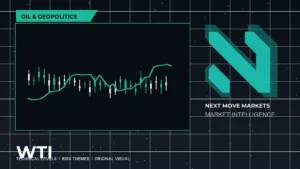
Traders should look for confirmation in the volatility indices for the energy sector. A sustained breakdown in oil prices suggests that the market believes the blockade will be highly effective at keeping non-Iranian energy supplies moving, effectively ignoring the geopolitical noise. Conversely, a failure to hold lower support levels in oil could indicate that the market remains nervous about the actual execution of the blockade. Key for risk management is the volatility in the transport sector; if shipping costs diverge sharply from the broader market performance, it suggests the blockade is creating physical, rather than just psychological, constraints on trade. Pay attention to the spread between Brent and WTI, as changes in regional shipping accessibility can create localized price distortions.
Cross-Asset Context
The cooling of tensions regarding the 20% fee provided an immediate, albeit modest, lift to equity markets, reflecting a “risk-on” sentiment associated with the reduction of trade barriers. However, the energy complex has exhibited a “sell the news” reaction, as the market interprets the clear U.S. military directive as a stabilizing factor for supply chains. The DXY remains tethered to this narrative; any sign that the U.S. military presence is successfully facilitating a major inflow of foreign capital into the U.S. economy would provide a fundamental, long-term tailwind for the dollar, particularly if those inflows translate into demand for USD-denominated assets and industrial development.