
US-Iran Tensions Resurface: WTI Crude Tests $78 Amid Diplomatic Uncertainty
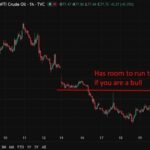
Oil markets began the week with significant volatility as geopolitical tensions in the Middle East once again took center stage. West Texas Intermediate (WTI), the US oil benchmark, opened Monday’s Asian trading session with a bullish gap of over $1, briefly retesting the $78 mark. While the initial surge of 2% has cooled slightly, the “black gold” remains up over 1.15%, holding steady above the $77 level as supply concerns dominate investor sentiment.
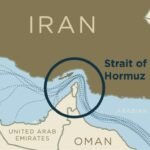
The primary catalyst for this price action was Iran’s decision to close the Strait of Hormuz on Saturday. This move comes in direct response to renewed hostilities between Israel and the Lebanon-based militant group, Hezbollah. Given that the Strait is one of the world’s most vital transit points for global oil supply, any disruption to its traffic typically leads to immediate upward pressure on energy prices.
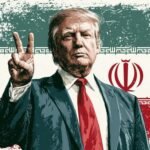
The diplomatic situation has grown increasingly fragile following verbal threats from US President Donald Trump, who suggested a “harder” strike against Tehran and Hezbollah. In a direct protest of these statements, Iranian negotiators walked out of high-stakes talks currently held in Switzerland. This walkout is a significant setback, as it threatens the progress made just last week when both nations signed a Memorandum of Understanding (MOU) designed to lift the blockade on the Strait in exchange for a 60-day window of negotiations regarding Iran’s civil nuclear program.
For investors and market observers, WTI remains a critical benchmark to watch. Sourced in the United States and distributed through the Cushing, Oklahoma hub, WTI is known as a “light, sweet” crude due to its low sulfur content and ease of refinement. While current prices are being driven by geopolitical instability and the risk of supply sanctions, WTI is also historically sensitive to the strength of the US Dollar, production decisions by OPEC+, and weekly inventory data from the American Petroleum Institute (API) and the Energy Information Agency (EIA).
Looking ahead, the trajectory of oil prices will likely depend on the next moves from Washington and Tehran. Markets remain on high alert for any further military escalations in Lebanon or updates regarding the potential resumption of peace negotiations. Until the status of the Strait of Hormuz is clarified, volatility is expected to remain high.