

- Rumours of a U.S.-Iran agreement weighed on the dollar.
- The Fed may resume its rate-cutting cycle.
The US dollar opened the week with a small downward gap and is currently down 0.2% on reports of progress in US-Iran negotiations and a potentially imminent deal. Donald Trump stated that the terms of a deal to resolve the conflict peacefully have largely been agreed upon. However, he then noted that he is in no rush and both sides must get everything right. If the Strait of Hormuz reopens soon, it will radically change the situation in the Forex market.
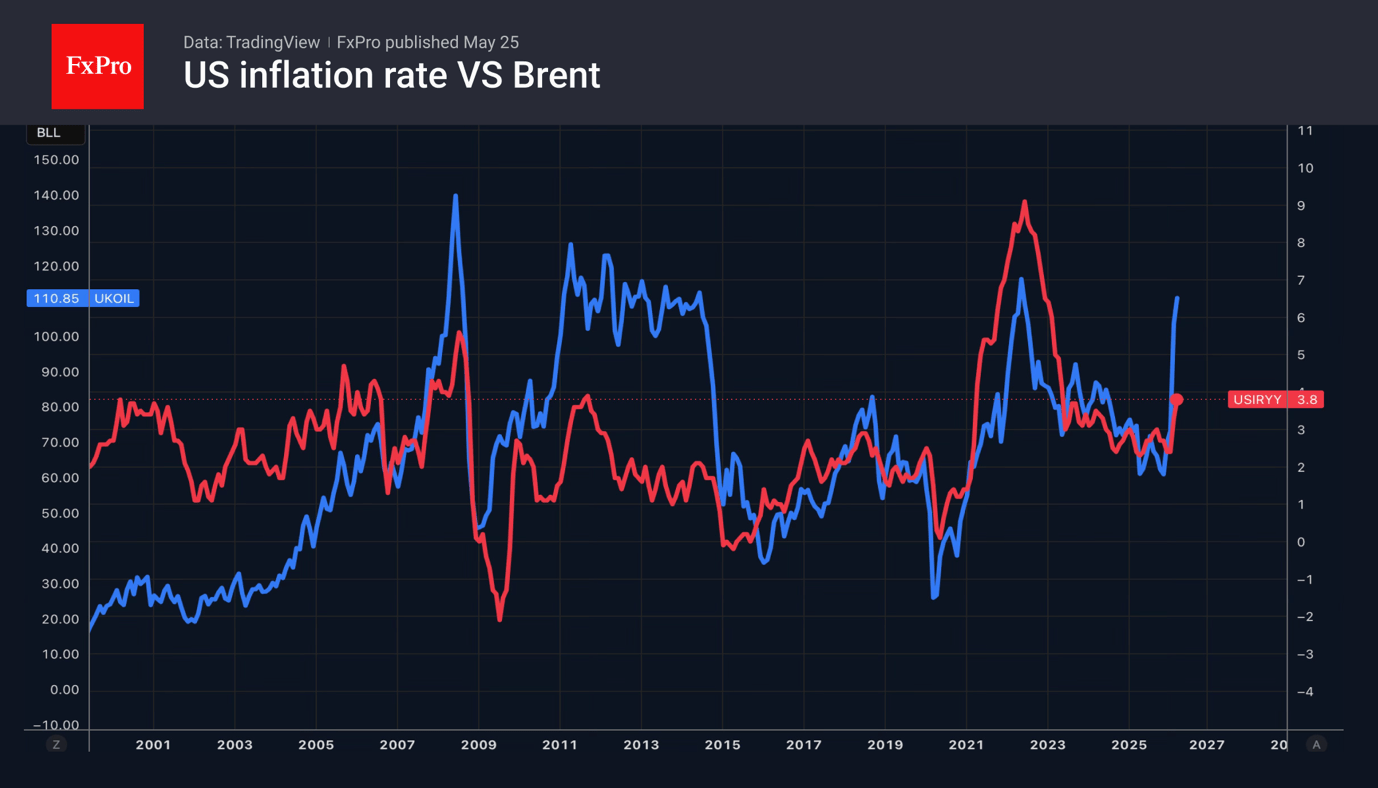
The US dollar has been strengthening for a long time as the likelihood of the Fed tightening monetary policy has increased. As early as the beginning of May, the futures market expected a rate hike in April of next year. Then expectations shifted to March, and then to the end of 2026. At one point, the odds of a monetary tightening cycle starting in December exceeded 60%. If oil prices fall, inflation will follow suit. This should return the Fed to the narrative from the start of the year, when a cut could follow a rate hold.
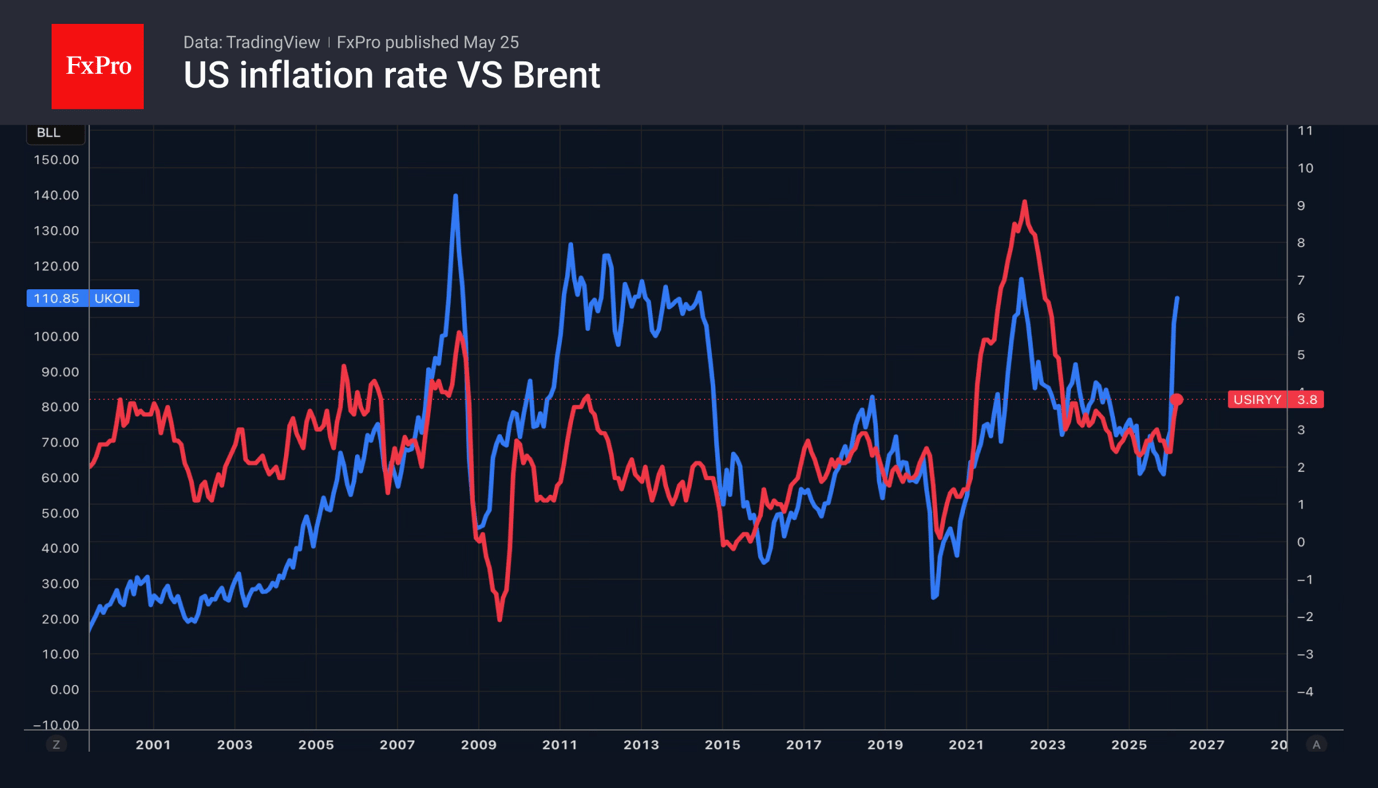
This is the scenario the White House is banking on. At Kevin Warsh’s swearing-in ceremony, Donald Trump emphasised that the Fed must remain independent. However, he devoted considerable attention to the transitory nature of inflation. The US will combat high prices, but it does not wish to compromise its own greatness. Cutting rates during a strong economy could trigger a real boom in GDP growth.
EURUSD jumped higher on hopes of a peaceful resolution to the conflict in the Middle East. However, previously, everything fell apart when it came to agreeing on the deal terms.
Mediators claim that the memorandum of understanding will extend the ceasefire for at least 60 days. According to them, Iran has demanded the unfreezing of $100 billion of its assets and the lifting of sanctions on oil sales.
An end to the conflict, or even a sharp de-escalation, would provide a tailwind for EURUSD. The eurozone economy has shown signs of a significant slowdown due to rising energy prices. As a result, the futures market has scaled back its expectations regarding the extent of the ECB’s monetary tightening. Earlier, amid rising odds of a federal funds rate hike, speculative net long positions in the dollar rose to their highest level in three weeks. This trend risks reversing