Oil prices have extended their upward trajectory for a third straight session, with Brent crude pushing firmly above the $85 per barrel threshold. This move is largely fueled by a sharp intensification of military activity near the Strait of Hormuz, a critical maritime chokepoint that serves as the primary artery for global energy exports.
For traders, the current environment necessitates a shift in focus from standard supply-demand fundamentals to high-stakes geopolitical risk management. As Washington and Tehran engage in a hardening standoff—marked by a series of U.S. strikes on regional assets and Iranian retaliatory measures—the threat to the free flow of crude oil and liquefied natural gas from Gulf producers has reached a critical inflection point, forcing market participants to price in a substantial risk premium.
Key Market Drivers
The primary catalyst for the current rally is the deteriorating stability of the Strait of Hormuz, a waterway responsible for transporting approximately one-fifth of the world’s daily oil supply. The breakdown of an interim peace agreement between the U.S. and Iran has transformed the region into an active theater of operation. The International Maritime Organization has signaled that commercial navigation is currently hazardous, creating a direct supply risk that transcends typical production-related volatility.
From a macro perspective, the conflict has moved into a kinetic phase. U.S. military operations, now spanning five consecutive days, are specifically targeting infrastructure near the strait, while Iranian forces have launched counter-strikes on bases throughout Gulf states. The rhetoric from both sides remains uncompromising. The Iranian Revolutionary Guard Corps (IRGC) has issued direct warnings that the waterway will remain effectively closed until the U.S. ceases its naval blockade and strikes. This binary outcome—either total freedom of navigation or total closure—has created a state of deep market anxiety, as the prospect of sustained supply chain disruptions remains the primary driver of the recent 13% weekly gain in Brent pricing.
Trader Takeaways
- Monitor Chokepoint Traffic: Real-time developments concerning vessel transit and U.S. naval escorts through the Strait of Hormuz will continue to dictate short-term price swings.
- Factor in Geopolitical Premiums: The 13% surge in Brent this week reflects a heightened risk premium; traders should anticipate elevated volatility whenever new military developments occur.
- Analyze Official Rhetoric: Watch for any credible signals of a return to diplomatic dialogue, as current “hardline” postures from both Washington and Tehran serve as a ceiling for potential price cooling.
- Acknowledge Maritime Risk: The IMO’s formal advisory regarding the danger to commercial shipping confirms that liquidity and logistics in the region are being fundamentally disrupted.
- Watch Gulf Producer Statements: Any reaction from regional exporters regarding their ability to maintain output levels will be a secondary indicator of supply-side integrity.
Levels and Signals to Watch
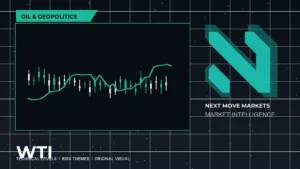
The breach of the $85 per barrel level for Brent crude serves as the current technical pivot point. Following a week of significant gains, confirmation of sustained momentum above this level will likely invite further speculative long interest. Conversely, traders should be wary of exhaustion patterns; if rhetoric shifts toward de-escalation, a rapid retreat from current levels is probable. Volatility is expected to remain extreme, necessitating tighter stop-loss parameters. Invalidating the current bullish trend would likely require both an immediate cessation of hostilities and a normalization of maritime traffic, which currently appears unlikely given the entrenched positions of the military forces involved.
Cross-Asset Context
The volatility in the energy complex is rippling through broader markets. As Brent crude sustains levels above $85/bbl, the potential for inflationary pressure remains a concern for global central banks and equity sentiment. The interplay between surging oil prices and currency markets—particularly for energy-importing nations—is becoming more pronounced. Traders should note that as the Strait of Hormuz crisis intensifies, capital typically shifts toward safe-haven assets, which may pressure risk-sensitive equities and certain regional currencies while providing support to traditional hedges.